From Grassroots to National Leadership, A Legacy Built on Service and Results Philip Tanimu Aduda, MFR, CON

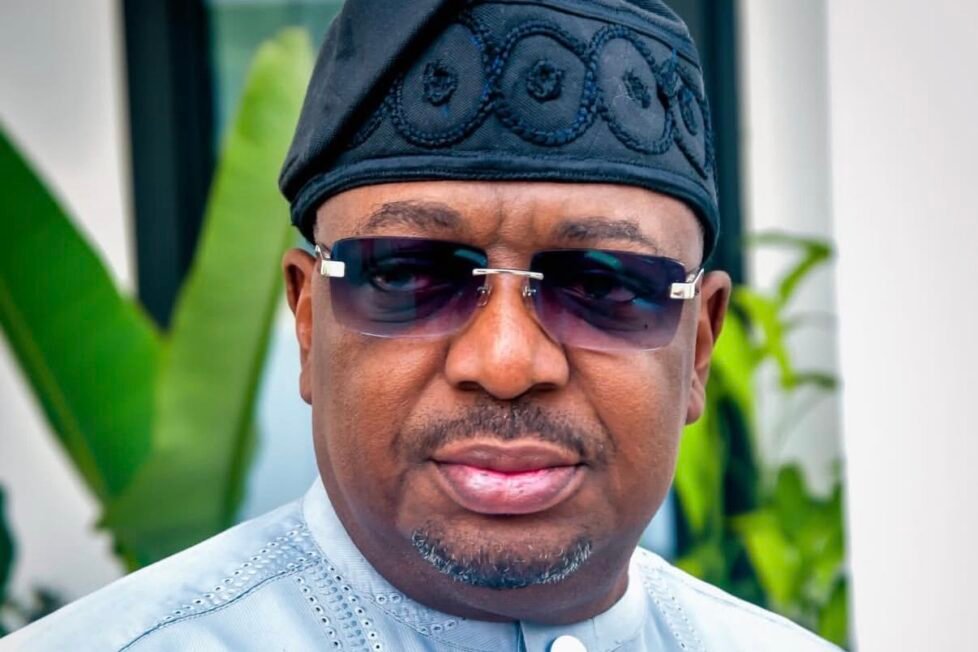

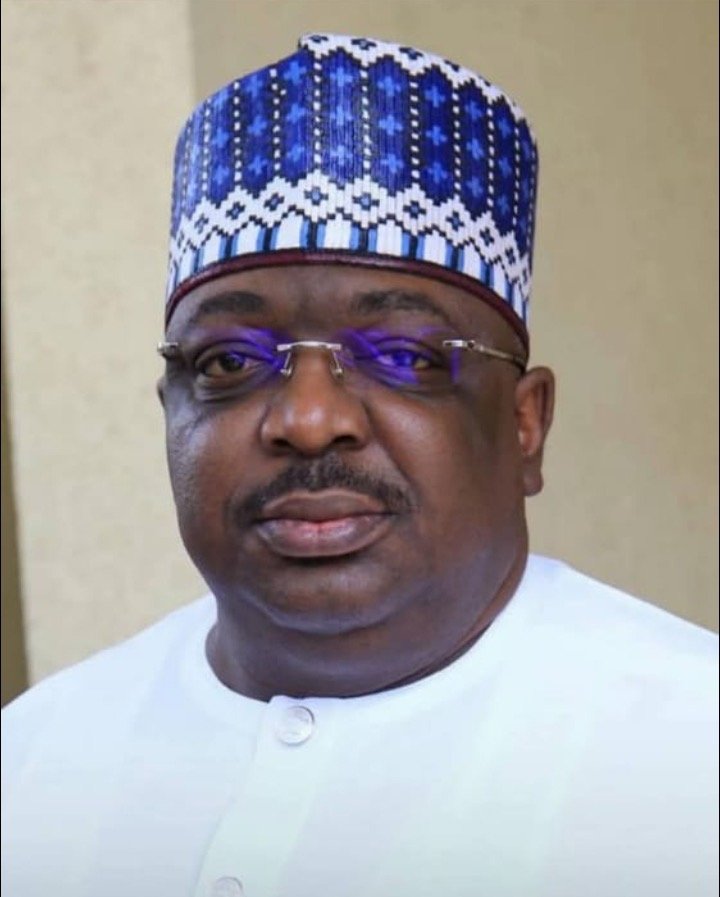
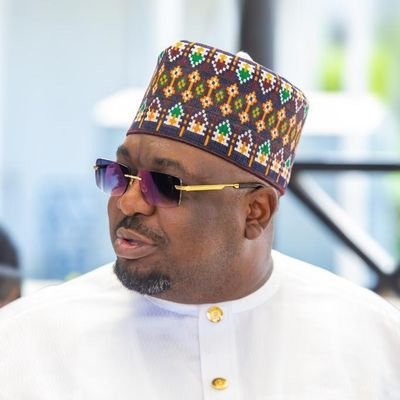
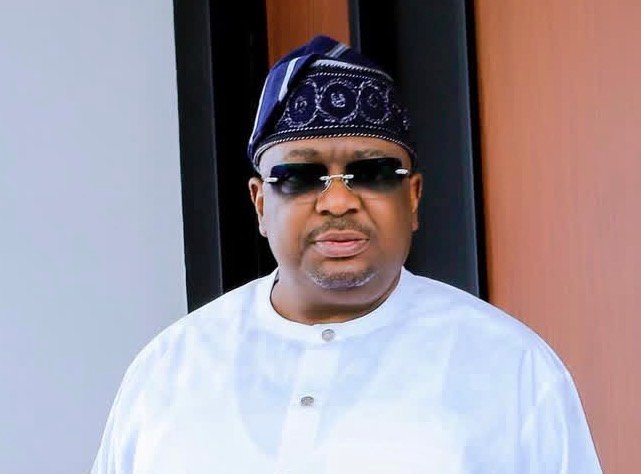
Philip Tanimu Aduda, MFR, CON, is a seasoned Nigerian politician and distinguished senator representing the Federal Capital Territory (FCT).
Born on June 13, 1969, in Karu, FCT, Philip Tanimu Aduda hails from a family deeply rooted in faith and grassroots advocacy. He is the son of Rt. Rev. Tanimu Samari Aduda, Bishop of Gwagwalada, and Chief (Mrs.) Jummai Tanimu Aduda, President and Founder of the Grassroot Associations of Nigeria and the International Grassroot Association.

Education and Early Development
Aduda obtained his O’ Level from Government Secondary School, Gwagwalada in 1987. He proceeded to Kaduna State Polytechnic, earning a Diploma in 1990, and later obtained another Diploma in Social Works and Social Development from the University of Jos in 1992.
Between 1992 and 1995, while serving as Managing Director of Aduda Nigeria Limited, he furthered his education with a Higher Diploma in Public Administration at Federal Polytechnic, Bida (Abuja Campus), which he completed in 1997.
Political Journey
Philip Aduda’s political career began at the grassroots level. In 1996, he contested as an independent candidate and was elected Councillor of Karu Ward, Abuja, subsequently holding several key positions within the Abuja Municipal Area Council (AMAC).
His dedication and leadership earned him election to the House of Representatives in 2003, representing AMAC/Bwari (2003–2007), where he served as Chairman, House Committee on the Federal Capital Territory, alongside membership in other strategic committees.
He was re-elected in 2008 to represent Bwari Area, Abuja, and in October 2009, he received the Best Performing Legislator Award in recognition of his impactful contributions to constituency development.
Faith, Unity, and Service
A devout Christian, Senator Philip Aduda is married and blessed with children. He is a strong advocate of peaceful coexistence between Christians and Muslims, and has actively supported unity by facilitating the construction of mosques and Islamic schools across the FCT.